Where to Buy a Cotton Candy Vending Machine A Buyer Comparison
Where to Buy a Cotton Candy Vending Machine A Buyer Comparison
Blog Article
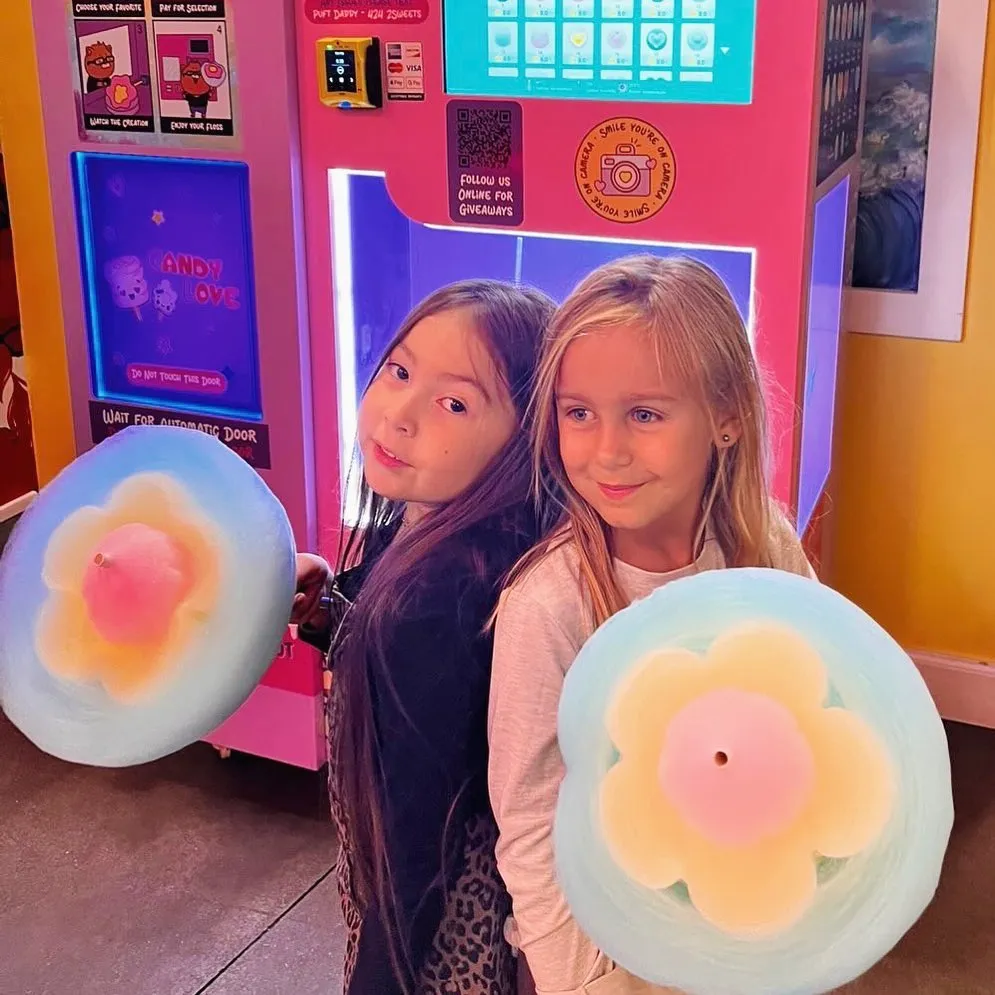
Choosing where to buy a cotton candy vending machine is less about finding the lowest listed price than deciding who will handle configuration, delivery, installation, documentation and repairs. A local dealer, online marketplace and factory-direct supplier can each suit a different buyer. Compare them on total landed cost and clear responsibility after delivery, not on the headline price alone.
Decide what support you need before comparing sellers
Start by writing down the exact model and options your venue requires, your destination country, expected unit count, customization needs and who will install and service the machine. Then ask every seller the same questions: Is the quoted unit the exact model? What documentation comes with it? Which parts are included? Who trains the operator? What happens if the unit arrives damaged or does not match the agreed specification? Consistent questions make unlike offers easier to compare.
Three buying routes, three different trade-offs
A local dealer can be a practical choice for an operator buying one unit who needs on-site installation, staff training or a local service contact. The convenience may be reflected in the unit price, and the dealer may have a narrower selection than a manufacturer. Before paying a premium, verify what stock, technicians and replacement parts are actually available—not just promised in general terms.
A marketplace can expose buyers to standard models and competing prices, but listing descriptions may not make the exact configuration or manufacturer clear. It is a weaker fit if you cannot independently check the unit, arrange installation or manage repairs. Ask for the model and serial details, the complete option list, manuals, certificate scope and a named party responsible for warranty or remedies. Do not assume that a product photograph or a certificate logo proves that the offered machine is covered.
Buying factory-direct can make sense when you need a specified configuration, branding, interface language, payment setup, parts package or several units. It can also require more work from the buyer: freight, insurance, customs, duties, local electrical installation and coordination of service. Ask the supplier to state what is included and what remains yours to arrange. A direct quotation is not automatically the lowest delivered-and-installed cost.
Compare the total cost to operation
Prepare a landed-cost worksheet for each offer. Include the configured machine price, freight and transit insurance, taxes or duties where applicable, any testing or certification costs, delivery to the venue, installation, spare parts, training and expected downtime exposure. Separate known amounts from estimates, and ask who is responsible for each line. If the seller cannot provide a delivered figure, request enough website detail to calculate one.
The cheapest unit can become expensive if it arrives without the required documentation, cannot be installed at the intended site or waits for parts after a fault. Conversely, paying more for a dealer is only worthwhile if the local support materially reduces work or downtime. Make the comparison using the same model and options wherever possible; otherwise a price difference may simply reflect a different specification.
Check the venue and electrical requirements early
The referenced CB328 specification is 132 × 66 × 205 cm with maximum draw of 2,500 W. The source also describes that load as 20 A at 110 V or 10 A at 220 V. Confirm the figures for the exact unit in the current technical sheet, and have a qualified electrician and the venue verify circuit suitability before ordering. Check doorways, lifts, floor access, service clearance and the location’s rules for equipment installation. Do not infer electrical compliance from a plug shape or sales listing.
Model choice should precede channel choice. A larger cart-style machine, a vintage-style cabinet or a tabletop format may serve different spaces and operating plans. For example, the referenced CB730 page describes a vintage cart model with a broad color-pattern range; confirm the exact available options and suitability directly with the supplier. Compare dimensions, power, operating workflow and maintenance access against the venue rather than selecting by appearance alone.
Treat customization and compliance as written scope
If branding, colors, interface language, media or payment configuration matter, list each requirement in the purchase specification. Ask which changes are available on the selected model, whether they affect price or production timing, and how approval of artwork or software settings works. Customization is useful only when it supports a defined site or customer need; it can add cost and lead time compared with a standard unit.
Certification and import obligations depend on the product and destination. Ask for the actual certificate and technical documentation, then verify the issuing body, covered model and scope with the relevant authority or qualified compliance professional. A seller’s statement that a machine is “certified” is not enough to establish that it meets the rules applicable to your installation.
A purchase checklist for the final quote
Exact model, serial or production configuration, and a written list of options.
Technical sheet covering dimensions, power, site preparation and operating requirements.
Certificate and documentation scope for the destination market, verified independently where needed.
Itemized price covering freight, insurance, taxes, delivery, installation and customization.
Parts list, training scope, service contact, fault-response process and expected parts route.
Written terms for damage, non-conforming goods, payment milestones, delivery and remedies.
Take the proposed configuration and written quote to the venue before paying a deposit. Confirm that the site can accommodate the machine, supply the required power and support the operator’s cleaning and replenishment routine. A little verification before purchase is usually easier than resolving an unsuitable installation after delivery. Buyers comparing specifications can review the cotton candy vending machine range and then request a quote for the exact market and setup.
Frequently asked questions
Is factory-direct always cheaper than a dealer?
No. Factory-direct may offer configuration control, while the buyer may need to arrange freight, import, installation and local service. Compare the total cost for the same model and options.
Can an online listing confirm compliance?
Not by itself. Request the actual documents and verify the model, scope and destination-market relevance with an appropriate authority or professional.
Do I need a dealer to install the machine?
Not necessarily, but the machine’s site and electrical requirements still need to be addressed. Confirm who is qualified to install and commission the unit and who is responsible for venue approval.
What should I confirm before paying a deposit?
Get the exact configuration, itemized costs, delivery and damage terms, documentation, installation plan, service and parts scope, and any customization details in writing.
Report this page